
 Chennai
.png)




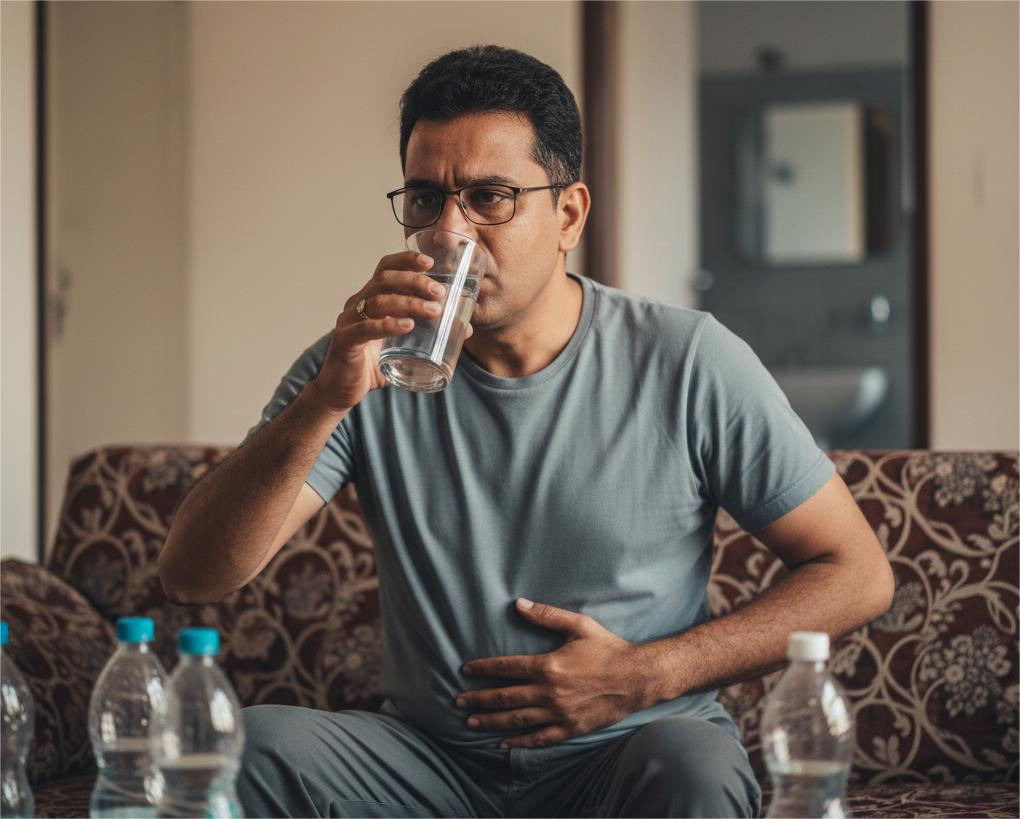
Extreme, Unquenchable Thirst & Frequent Urination
What it feels like: No matter how much water you drink, you still feel thirsty. You’re visiting the bathroom much more often, including several times at night.
Why it happens: Excess sugar (glucose) builds up in your bloodstream. Your kidneys work overtime to filter and absorb it, pulling fluids from your tissues. This leads to dehydration and triggers constant thirst, creating a cycle of drinking and urinating.
Unexplained Fatigue & Constant Tiredness
What it feels like: Feeling exhausted despite adequate sleep. A deep, persistent tiredness that doesn’t improve with rest.
Why it happens: Sugar from food can’t properly enter your cells to be used for energy due to insulin problems. Your body’s cells become “energy-starved,” leaving you feeling chronically fatigued and drained.
Sudden, Unexpected Weight Loss (Especially in Type 1)
What it feels like: Losing weight without trying—sometimes significant amounts—even though you’re eating normally or even more than usual.
Why it happens: Without insulin to move glucose into cells, your body starts burning fat and muscle for energy instead. Glucose from food is also lost through frequent urination, wasting those calories.
Increased Hunger (Especially Soon After Eating)
What it feels like: Feeling hungry again shortly after finishing a meal. Constant cravings and never feeling fully satisfied.
Why it happens: Since glucose isn’t reaching your cells, your muscles and organs become energy-depleted. Your body sends strong hunger signals, desperately trying to get more fuel, even though there’s already plenty of sugar in your bloodstream.
Blurred Vision That Comes and Goes
What it feels like: Vision becomes cloudy or wavy. Trouble focusing. This symptom often fluctuates throughout the day.
Why it happens: High blood sugar pulls fluid from tissues, including the lenses of your eyes, affecting their ability to focus properly. Onceblood sugar levels stabilize (with treatment), this symptom typically improves.